
At a Glance:
BRIEF COMPANY PROFILE
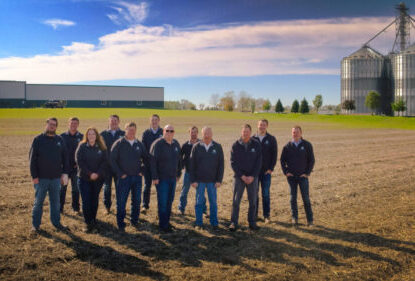
The DeLong Co., Inc. founded in 1913, is a sixth-generation agricultural business headquartered in Clinton, Wisconsin, with 39 facilities and offices in eight states. It is a top exporter of containerized agricultural products.
FBCG SERVICES
Family communication, family meeting planning and facilitation, and ownership alignment
BENEFITS TO FAMILY & BUSINESS
Through interviews, survey responses, and a family retreat, family members articulated their values and realized they are well aligned in their desire to continue family ownership of the business. The work set the stage for a multiyear planning effort and continues to guide the board and management team.
How can family owners of a business make sure they share the same vision for the future of the business? For the DeLong family, owners of The DeLong Co., Inc., the answer began to emerge from a question at a family retreat: What is the first thing you remember getting ownership of as a child?
Nicole Bettinger Zeidler, a consultant for The Family Business Consulting Group (FBCG), asked the question‚ and “people really opened up,” recalls Erin DeLong Hamburg, a fifth-generation family member who heads the company’s marketing and PR team.
Nicole had worked with her colleague Mike Fassler and a committee from the DeLong family, led by Erin, to plan the retreat.
“We all own this company together, and yet we really hadn’t ever had conversations about this: What does it mean to be an owner and to take care of something? Why was it so important to you, and how did you take care of it?” Erin explains.
The discussion — and the rest of the retreat — helped the family coalesce around a common vision and long-term goals. More than six years later, the foundation established by the retreat continues to guide the planning work of the board and management team.
“For a family to do a deep dive, at least once a generation, to understand where they are as an ownership group is really important to achieving multigenerational continuity,” Mike notes. “It either affirms, ‘Let’s go forward together’ or it affirms that they should look toward an exit.”
In the case of The DeLong Co., the clear message was to go forward as owners. But getting to that message required planning, commitment, and communication.
Opportunity for Long-Term Strategic Vision

Today, The DeLong Co. is owned by the fourth, fifth, and sixth generations and managed almost entirely by the fifth generation. The total family group, including spouses and children, is about 100 people. Of those, 35 are shareholders, and about a dozen work in the business.
For its first three generations, The DeLong Co. was small: a local agricultural feed mill and grain elevator. In the past 20 years, initiatives undertaken by the fourth generation have accelerated the company’s growth. As the leadership transition from the fourth generation to the fifth was starting, the family wanted to consider its long-term strategic vision and plans.
“It was a good time for us to make sure that the rest of the family owners were aligned,” Erin recalls. “The agriculture industry is highly cyclical, with incredibly tight margins, and financial stability is essential. Having open, strategic discussions with our shareholders allowed us to plan for the long term with confidence.”
Choosing to Work with FBCG
The family decided to bring in outside expertise to help. As they considered both family-focused and more general business consulting teams, FBCG stood out.
“Our generation placed a high value on partnering with advisors who are experts in the field,” Erin explains. FBCG’s proven expertise — a number of family members had read books and used other resources by FBCG experts — and experience with family enterprises set it apart.
“We’re the experts in our own business, but not necessarily in some of the family business topics that we had never dealt with before,” Erin adds. “They could identify potential issues that they had seen happen with other families and make valuable observations and suggestions.”
Mike and Nicole were also a good fit with the family’s culture.
“They took the time to really understand our business and were genuinely curious about what we did,” Erin says. “It didn’t feel like we were in a lecture series from someone who couldn’t relate to an agricultural business.”
Co-Creating Solutions: A Thoughtful Planning Process
The family’s deep commitment to understanding and elevating the shareholder voice guided its work designing and executing a shareholder retreat for the family to tackle these issues.
“Every meeting is different, depending on what the family wants to accomplish,” Mike explains. “That’s where working with their shareholder retreat planning committee was one of the keys to the successful outcome.”
Part of the preparation was a survey of shareholders, which asked whether they understood the long-term vision, and, crucially, how strongly they felt about having the business remain under family ownership.
The results? The shareholder group was highly aligned, with a strong desire to remain invested in the company. The survey also identified a few opportunities for improvement, including in shareholder communication.

“It was really meaningful, especially for our non-active shareholders, to be able to see the results and to feel the alignment,” Erin recalls. “It made us all feel very close, and it built a lot of pride in our family.”
To prepare for the retreat, Nicole and Mike also interviewed individual family members.
“Afterward I was hearing from family members who had a chance to talk about memories or feelings that nobody had asked them about before,” Erin notes. “That was incredibly valuable before the weekend.”
To make sure everyone’s voice was heard, they also included spouses, both in some of the interviews and in the retreat itself — a departure from their usual business meetings. “We were acknowledging that even if they don’t directly own stock, their lives are shaped by their connection with the company and their opinions matter,” Erin adds.
Key to the retreat’s successful outcome: advance communication and engagement with the family shareholder group. Family members arrived at the retreat well prepared and enthusiastic about contributing to important conversations about the future.
Building Shared Knowledge and Engagement
Over 50 family members attended the two-day retreat in Beloit, Wisconsin. In both large and small groups, using interactive formats like small-group exercises and games, attendees discussed issues such as ownership, values, vision, and mission.
Planners faced a challenge when bringing together shareholders and family members with very different levels of knowledge about the business — or business in general.
“Everyone wants to know what family member viewpoints are — but for somebody to express their voice, it’s really important for them to feel like they have a foundational level of knowledge,” Mike explains.

To build this knowledge, the FBCG facilitators handed out a guide with definitions of financial terms. They also did exercises to build participants’ financial knowledge, including one that delved into the family’s financial expectations for the business. To lay the groundwork for this conversation, they looked at typical returns for various types of investments, including retirement accounts.
In preparing for the discussion about the financial return shareholders expect from their investment, Mike says “You have to build context for everyone to express an informed viewpoint.” For example, we asked “What return do you expect on your retirement accounts?” After gathering this data, we asked “Do you expect the return on your investment in The DeLong Co to be higher or lower? Why? This helped the shareholders to build an understandable frame of reference for returns on their investment in The DeLong Co. too.
Nicole and Mike used the knowledge they gained from their pre-retreat interviews to seat participants in intergenerational groups, mixed spouses with descendants of the founders, and those who worked in the business and those who didn’t.
“There were conversations that took place between family members who don’t typically gravitate toward each other,” Erin recalls.
Having the meeting facilitated by nonfamily members from FBCG also contributed to its success. “This allowed everybody in the family to be able to participate. No one had to take on that leadership role, so they could all actively be present in participating in these exercises,” Nicole points out.
Erin adds that it placed all the family members on equal footing: “Most of our other meetings are led by those who are actively involved in the business. At this meeting, we were all there as family members participating with equal voices.”
Groundwork for Communication and Governance
The family came out of the meeting with concrete accomplishments — and plans for more. They identified the family’s core values: integrity, family, innovation, growth, and quality.
“Those guided all the things we did following that meeting,” Erin recalls.
The “growth” value, for example, helped clarify the family’s goals for the business.
“We weren’t considering selling, but we wanted to know if all our family shareholders were committed to the same values,” Erin explains. “By choosing growth as a value, we confirmed that growing the company and continuing family ownership are priorities that we share.”
The family left the retreat with clearly defined next steps, including fleshing out the values and vision; refining both family and corporate governance; and providing more detail on shareholder expectations and strategic goals. The family formed working groups — with a mix of family members who work in the business and those who don’t — to address these priorities.
The consensus-building process they used to rank their priorities made everyone feel that their voice had been heard — and laid the foundation for the continued work.
“With everybody having a say, that really built commitment to the future work that they were going to do,” Mike observes.
This high level of family alignment benefits the business in other ways as well. Knowing that the family is committed to owning the company means the management team guided by the board can reinvest money in the company, continuing the company’s growth.
“To the extent you can reduce uncertainty across the whole family system, that’s healthy for the family, and that’s healthy for the business. It really takes risk out of the system,” Mike adds.
The retreat also laid the groundwork for improvements in family communication and engagement, including the creation of a family communication committee, which worked on defining the family values. This committee soon developed into a formal DeLong Family Council.
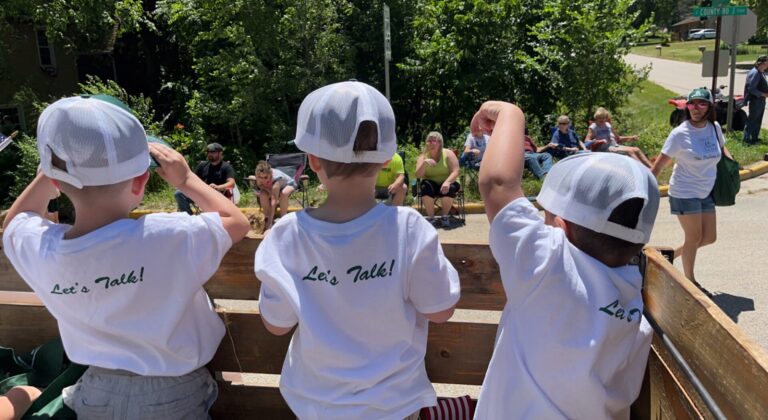
The family’s quarterly newsletter now includes news about the business, along with family updates on weddings, babies, and graduations. To further engage family members, they developed an online education series in which a family council member gives a tour of a new site or explains a new project. And the family set up a formal midyear meeting: a miniature version of the annual January meeting, that is followed by a fun family activity and participation in their hometown July 4th parade.
One of the most significant accomplishments that grew out of the retreat was the creation of a family constitution. Emulating the retreat planning process, the committee in charge of drafting it started by sending a detailed survey to family members. Resources from FBCG also helped.
“It was extremely helpful to have a trusted place to ask: How do other families go about writing a family constitution?” Erin says. “We really wanted to write it ourselves, but we wanted those best practice guidelines to guide us. It’s great that we have professionals in this special field of family business relations that can help inform that framework for us.”
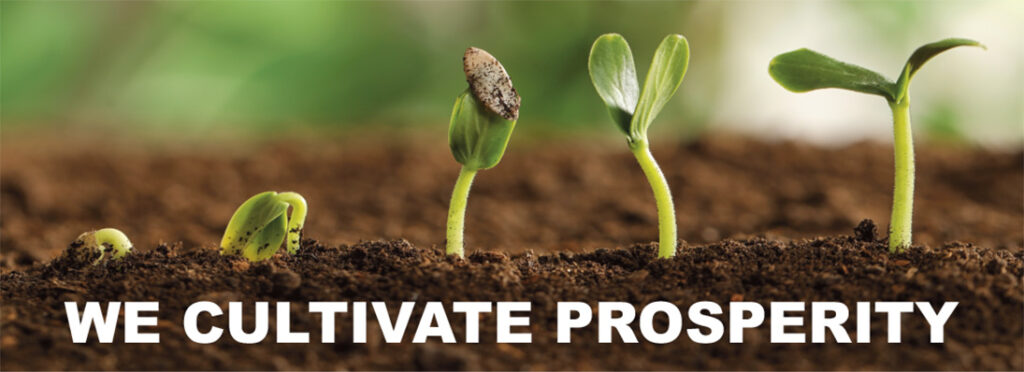
The group also developed a vision statement: “We Cultivate Prosperity.”
“Then we looped in key employees who helped us write a mission statement, defining how we would carry out those values and that vision in day-to-day company operations,” Erin adds.
Looking Ahead
Looking to the future, the family is starting a legacy project that includes interviewing fourth-generation family members. They are also working to preserve family documents and photos, as well as company history.
The family is also formalizing an education plan for the next generation, creating a curriculum they call Building Blocks, which is tied to the family values.
“If we want to instill these core values in the kids, we want to think carefully about what we’re teaching them at every age level. How do we introduce concepts like integrity or the concept of growth when they’re in fifth grade? How do those conversations change when they reach high school?” Erin explains.
The Family Council also takes an active role in contributing to philanthropy projects of the company, which has provided another avenue for nonactive family members to collaborate and contribute in a meaningful way.
Ready to Strengthen Alignment in Your Family Enterprise?
If your family is navigating questions around vision, communication, or the future, FBCG can help. Our consultants create the structure, safety, and clarity families need to have meaningful conversations and make confident, shared decisions.
Connect with us at thefbcg.com/contact or (773) 604-5005 to explore how we can support your family’s journey.